
Let’s be honest. The old playbook for customer success is, well, a bit dusty. Sending generic check-in emails, tracking nothing but usage numbers, and hoping renewal magic happens—it’s like trying to navigate a city with a map from ten years ago. Everything’s changed.
Today’s customers expect you to know them. Not just their company name, but their goals, their hurdles, their quiet frustrations. They crave a partnership that feels tailored, almost intuitive. That’s where a hyper-personalized, data-driven customer success framework comes in. It’s not a nice-to-have; it’s the engine for retention, expansion, and turning customers into genuine advocates.
But here’s the deal: building and scaling this isn’t about buying a fancy tool and calling it a day. It’s a cultural shift. A methodical blend of deep human insight and cold, hard data. Let’s dive into how you can construct one that actually grows with your business.
The Foundation: What “Hyper-Personalized” Really Means (It’s Not Just First Names)
First, a quick myth-buster. Personalization isn’t just merging a first name into an email template. Hyper-personalization is contextual, behavioral, and proactive. It’s knowing that Sarah in marketing is trying to launch a campaign before her big quarterly review, and that her team’s main blocker is the reporting module. It’s anticipating need.
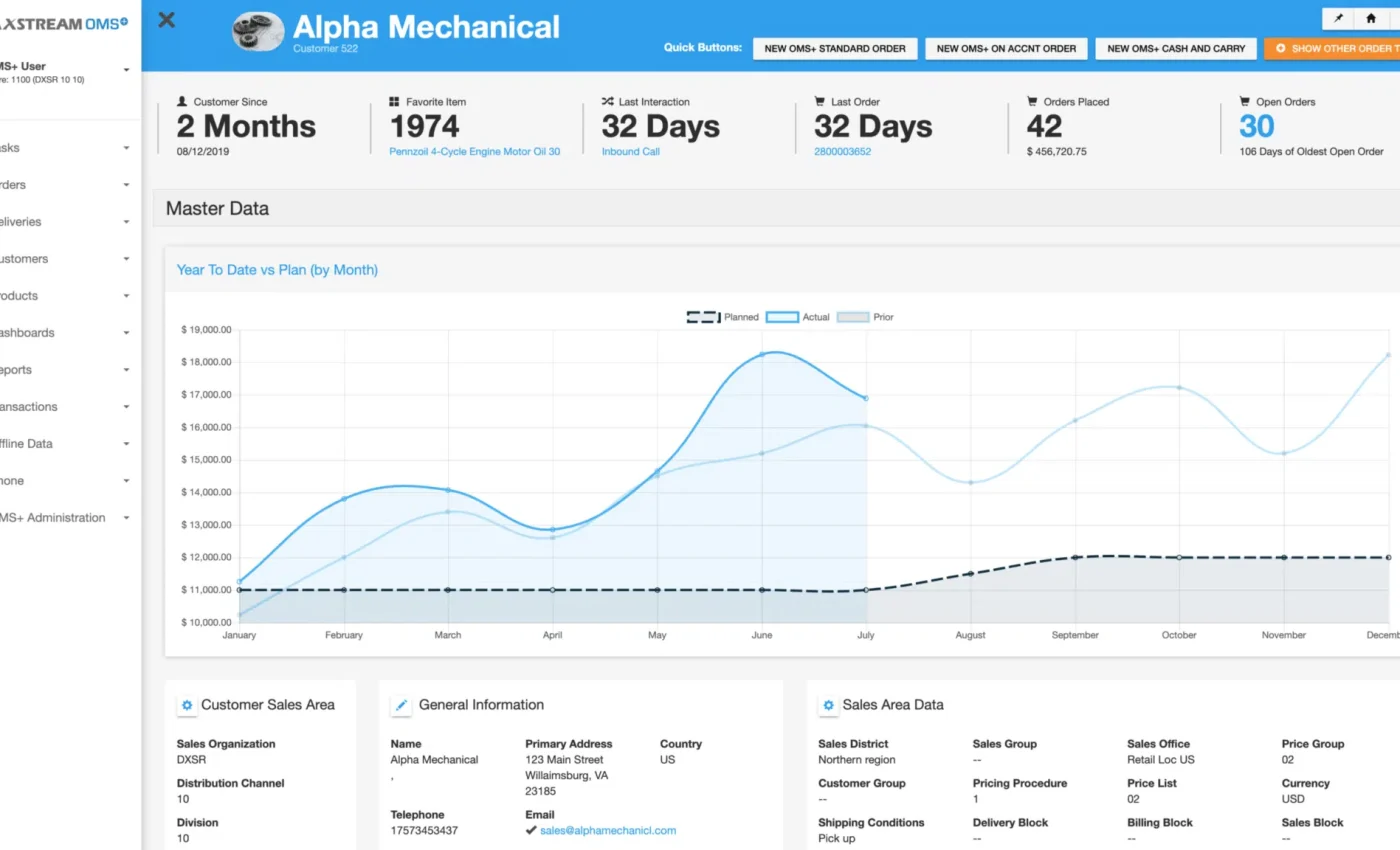
This level of detail comes from stitching together data threads from across—and even beyond—your tech stack. We’re talking product usage, support ticket history, CRM notes, marketing engagement, even firmographic data. The goal? To build a dynamic, 360-degree view that allows you to act, not just react.
The Core Data Pillars You Can’t Ignore
To move from guesswork to guidance, your framework needs to stand on three key data pillars:
- Health Score: This is your vital sign monitor. But move beyond simple logins. Blend feature adoption frequency, depth of use, support sentiment, and license utilization. A customer who logs in daily but only uses 20% of their seats might be a churn risk, you know?
- Engagement Data: Where are they clicking? What workflows are they building? Which knowledge base articles are they searching for? This reveals intent and unmet needs.
- Voice of Customer (VoC): The qualitative gold. Survey responses, call transcripts, interview notes—this is where you find the “why” behind the data points. It humanizes the numbers.
Building the Framework: A Step-by-Step Blueprint
Okay, so you’ve got data streams. Now, how do you architect the system? Think of it in phases.
Phase 1: Segment & Stage (Beyond Just ARR)
Forget segmenting by revenue alone. A hyper-personalized approach uses behavioral and needs-based segmentation. Create cohorts like “Power Users of Analytics,” “Struggling Onboarders,” or “Expansion-Ready Advocates.” Then, map them to clear lifecycle stages: Implementation, Adoption, Value Realization, Renewal, Expansion.
Each stage has a definition of “success” and clear next-step actions. This is your scaffolding.
Phase 2: Define Triggers & Playbooks (The Automation Engine)
This is where data becomes action. Set up automated alerts—triggers—for specific behaviors.
| Trigger (If this…) | Action (…then do this) | Personalization Touch |
| Health score drops by 15% | Auto-create task for CSM; send diagnostic email | Email includes specific under-utilized features relevant to their role |
| User completes advanced workflow tutorial | Flag as potential champion; invite to beta program | Invitation references the specific workflow they mastered |
| Account hits 80% license usage for 30 days | Notify AE & CSM for expansion discussion | Outreach includes data on most-used features by their team |
The playbooks guide the response, but the best CSMs use them as a starting point, not a script. The data informs the conversation, but the human builds the relationship.
Phase 3: Choose & Integrate Your Tech Stack
You’ll likely need a dedicated Customer Success Platform (CSP) to centralize this. But—and this is crucial—it must talk to your CRM, product analytics, support desk, and communication tools. A broken data flow breaks the entire personalization promise. Look for platforms that offer robust integrations and flexible reporting.
The Scaling Challenge: Keeping It Human When You Have Thousands of Customers
Here’s the real test. Anyone can manage this for ten accounts. But how do you scale a personalized framework for thousands? The answer is tiered, tech-enabled, and community-driven.
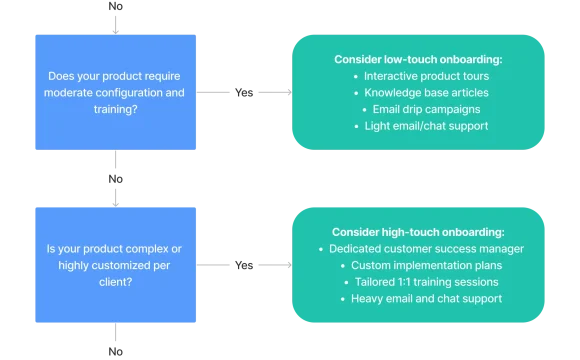
- Tier Your Engagement: Not every segment needs a dedicated CSM. For high-volume, low-touch segments, leverage digital touchpoints—personalized in-app messages, email nurture streams triggered by behavior, dynamic help centers. Reserve high-touch human interaction for high-potential or high-risk accounts.
- Empower with AI & Automation: Use AI to surface insights from mountains of data. Which customer is trending down before the health score catches it? What common theme is emerging in support chats? Let the machines handle the pattern detection, so humans can handle the empathy and complex problem-solving.
- Build a Community: Sometimes, the best personalized help comes from peers. Facilitate user groups, forums, or ambassador programs. It scales your reach and creates a powerful sense of belonging.
Common Pitfalls & How to Sidestep Them
Honestly, you’ll hit some bumps. Everyone does. Here are a few to watch for:
- Data Silos: If product doesn’t talk to success, the framework crumbles. Advocate for integrated systems from day one.
- Analysis Paralysis: Too much data can be blinding. Start with 3-5 key metrics per segment. You can always add more.
- The “Set & Forget” Trap: This framework is a living thing. Quarterly reviews of your triggers, playbooks, and health score calculations are non-negotiable. What worked last year might be irrelevant now.
- Losing the Human Voice: In the quest for personalization, don’t let automation make you sound robotic. Review your automated messages regularly. Do they sound like something a person would actually say?
The End Goal: Predictable Growth & Unshakeable Loyalty
When it all clicks—when your data seamlessly informs a perfectly timed, genuinely helpful interaction—something shifts. Customer success stops being a cost center and becomes a growth engine. Renewals become predictable. Expansion opportunities light up like signals on a radar. And advocacy? It happens organically.
Building this framework is a journey, sure. It requires investment, cross-functional buy-in, and a willingness to iterate constantly. But in a world where customers have endless choice, the deepest competitive moat you can build is a system that makes every single one feel uniquely understood, supported, and destined to succeed with you. That’s not just good business. It’s the future, already here.