


Let's be honest. When you're a solo creator or a small team building an audience, "customer support" often means a chaotic mix of DMs, email threads, and comment replies. It's reactive, exhausting, and frankly, it doesn't scale. You hit a point—maybe after your first digital product launch or a membership tier going live—where that scattered approach starts to crack. The very connections you built your business on become a source of burnout. Here's the deal: scalable support isn't about becoming a faceless corporation. It's about building intelligent, repeatable systems that protect your time and deepen trust with your community. It's the difference between being a one-person help desk and being the visionary leader of your growing creator economy. Let's dive into how you can build tha...
Read MoreCategory: Customer Support

The integration of AI-powered sentiment analysis in real-time support conversations
Let’s be honest. We’ve all been there. Stuck in a frustrating support chat, feeling like the agent on the other end just isn’t getting it. Your words are polite, but your blood pressure is rising. Wouldn’t it be amazing if the system itself could sense that shift? Could tell you were moving from "mildly annoyed" to "seriously considering switching providers"? Well, that future is already here. The integration of AI-powered sentiment analysis into live chat and support calls is quietly revolutionizing customer service. It’s not about robots replacing humans. Far from it. It’s about giving human agents a superpower: real-time emotional intelligence. What is this, really? Beyond simple keyword spotting First off, let's clear something up. We’re not talking about a tool that just fla...
Read More
Let's be honest. Support is a tough gig. Your team is on the front lines, absorbing customer frustration, navigating complex systems, and making split-second decisions that impact your brand's reputation. It’s high-stakes, emotionally draining work. And if your agents don't feel safe—truly safe—to speak up, make a mistake, or ask a "dumb" question, well, the whole operation suffers. Morale dips, turnover spikes, and innovation flatlines. That's where psychological safety comes in. It's the shared belief that the team is safe for interpersonal risk-taking. It’s the feeling that you won't be punished or humiliated for voicing an idea, a concern, or an error. For support teams, this isn't a nice-to-have; it's the bedrock of quality, resilience, and genuine customer connection. But you ...
Read More
From Reacting to Predicting: Building a Proactive Support Strategy with Predictive Analytics and IoT Data
Let’s be honest. For years, customer support has been a bit like firefighting. A problem flares up, the alarm sounds, and your team scrambles to put it out. It’s reactive, stressful, and honestly, it leaves everyone—customers and agents—feeling a bit singed. But what if you could see the smoke before the fire even starts? That’s the promise—and the power—of shifting to a proactive support strategy. And the two technologies making it not just possible, but incredibly effective, are predictive analytics and IoT data. Together, they’re turning support from a cost center into a genuine value engine. What Does "Proactive Support" Actually Mean? It’s not just about being faster. A truly proactive model anticipates issues before the customer is even aware of them. Think of it like a mod...
Read More
Let's be honest. Customer support is a tough gig. Day in, day out, your team is on the front lines, absorbing frustration, calming anxieties, and solving problems—all while maintaining a smile, at least in their voice. That effort, that constant management of feeling to create a positive experience for someone else, has a name: emotional labor. And if it's not measured, it's not managed. You can track ticket volume and handle time until the cows come home, but if you're ignoring the emotional toll, you're missing the whole picture. Burnout, attrition, and quiet quitting aren't just HR buzzwords; they're the direct, costly outcomes of unmanaged emotional labor. So, how do we move from just expecting this labor to actually supporting it? Let's dive in. What Exactly Are We Measuring? T...
Read More
Beyond the Ticket: How Asynchronous Video and Screen Recording Fixes Complex Issues
Let's be honest. Describing a complex technical problem with text is like trying to explain the taste of salt using only hand gestures. You end up with a long, frustrating email chain, screenshots with confusing red circles, and a support team that’s essentially playing a high-stakes game of telephone. The context gets lost. The nuance evaporates. That’s where asynchronous video and screen recording comes in. It’s not just a nice-to-have anymore; for teams tackling intricate software bugs, convoluted workflows, or sensitive customer escalations, it’s becoming a game-changer. This approach lets you show, not just tell. And the impact on resolution time, clarity, and team sanity is profound. What Exactly Is Asynchronous Issue Resolution? In a nutshell, it’s solving problems without...
Read More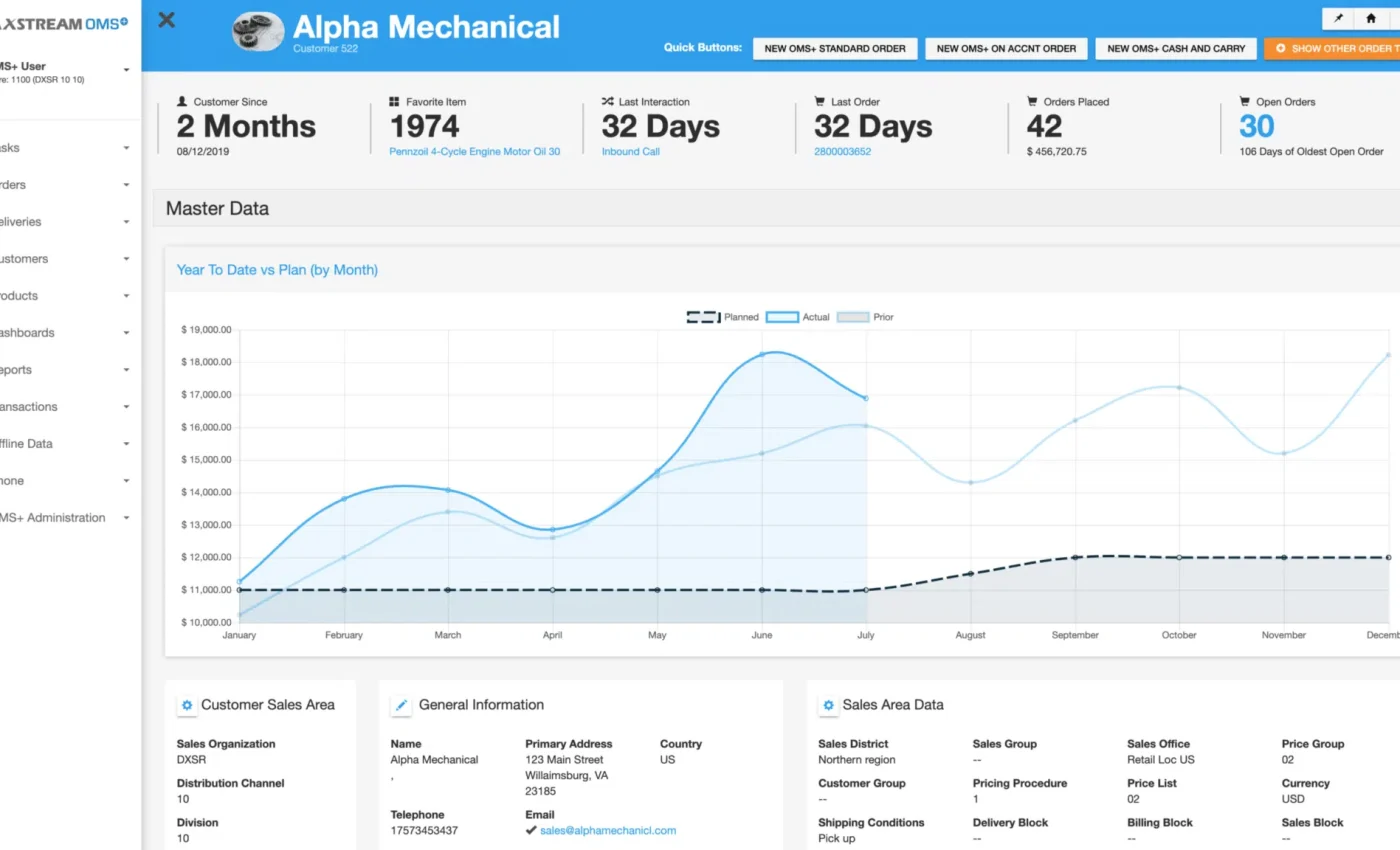
Let’s be honest. The old playbook for customer success is, well, a bit dusty. Sending generic check-in emails, tracking nothing but usage numbers, and hoping renewal magic happens—it’s like trying to navigate a city with a map from ten years ago. Everything’s changed. Today’s customers expect you to know them. Not just their company name, but their goals, their hurdles, their quiet frustrations. They crave a partnership that feels tailored, almost intuitive. That’s where a hyper-personalized, data-driven customer success framework comes in. It’s not a nice-to-have; it’s the engine for retention, expansion, and turning customers into genuine advocates. But here’s the deal: building and scaling this isn't about buying a fancy tool and calling it a day. It’s a cultural shift. A methodi...
Read More
Think about the last time you contacted customer support. Was it a smooth ride, or did you hit a few bumps? For many neurodiverse individuals—people with autism, ADHD, dyslexia, Tourette's, and other neurological variations—those bumps can feel like mountains. The standard one-size-fits-all support model often, well, doesn't fit. Here's the deal: neurodiversity isn't a niche. It's a fundamental part of the human experience. Designing support for this community isn't about creating a separate, special lane. It's about widening the highway so everyone can travel comfortably. It’s about building bridges where gaps in communication and process used to be. What Neurodiversity Really Means for Support First, let's move past the textbook definition. Neurodiversity is the idea that diffe...
Read More
Let's be honest. Customer support for a Web3 project feels like trying to give directions in a city where the streets keep moving. The rules are different, the stakes are high, and your users are often navigating a maze of wallets, gas fees, and smart contracts—all while their real money is on the line. A traditional support playbook just won't cut it. You need a new blueprint. This guide walks you through creating a customer support playbook specifically for the wild, wonderful world of decentralized applications. Why Web3 Support is a Different Beast First, you gotta understand the landscape. In Web2, support often revolves around account recovery, billing issues, and feature requests. Centralized control means centralized solutions. Web3 flips the script. Core principles li...
Read More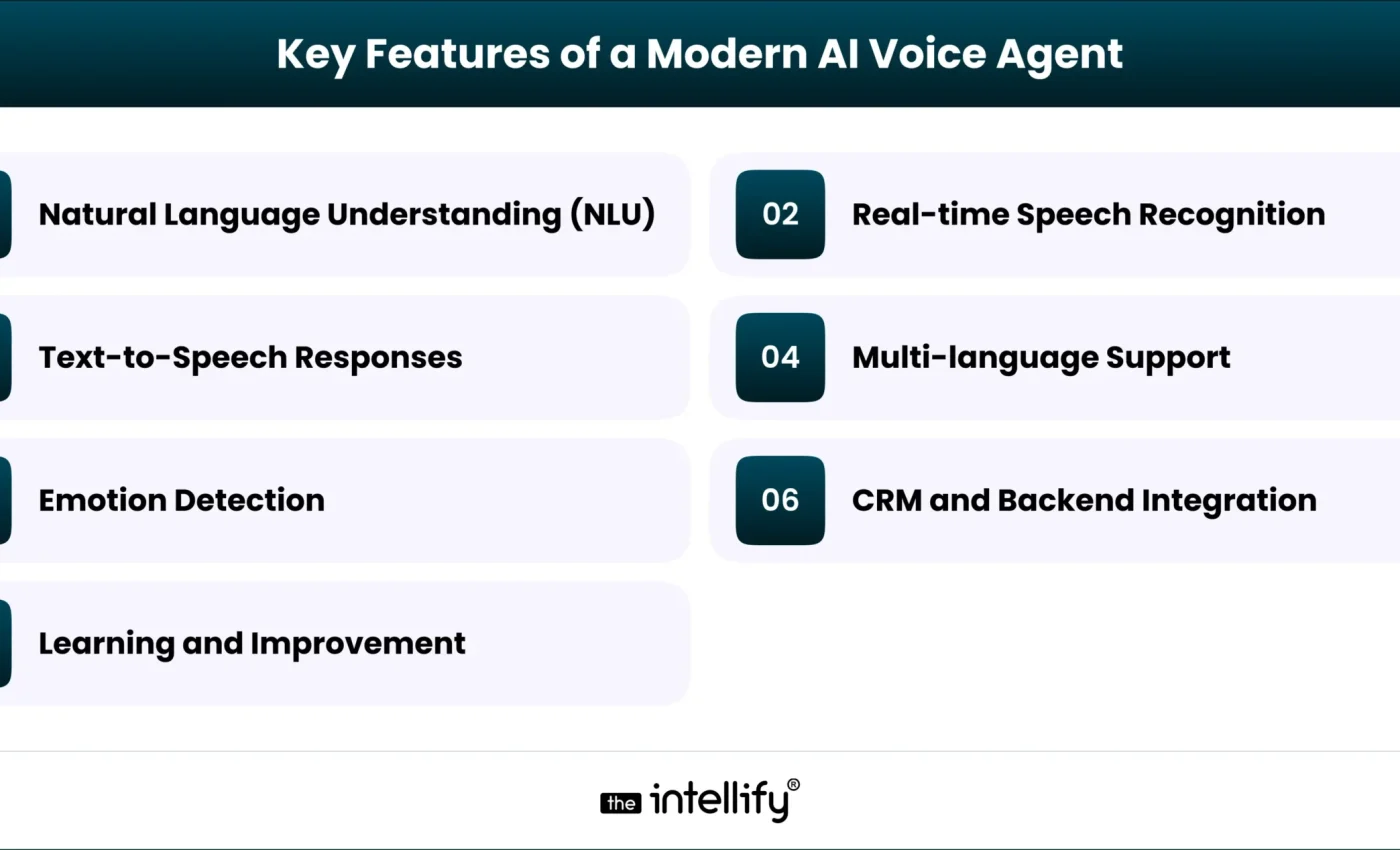
Let’s be honest. For a while there, interacting with a voice assistant for customer service felt like talking to a very polite, yet incredibly dense, brick wall. You’d repeat yourself, get funneled into endless menu loops, and eventually just mash ‘0’ hoping for a human. But that’s changing. Fast. The tech has evolved from a simple FAQ repeater to something that can actually understand nuance, context, and even emotion. The question isn't whether to use voice AI anymore—it’s how to use it strategically to build better relationships, not just deflect calls. Shifting the Mindset: From Cost-Center to Experience-Enhancer Here’s the deal. The first—and biggest—strategy shift is internal. Stop thinking of your voice assistant as just a tool to reduce call volume. Sure, that’s a fantast...
Read More