


Let’s be real — if you run a service-based business, you don’t need to be famous in Tokyo or Paris. You need to be the go-to name in your own zip code. That’s where hyperlocal marketing comes in. It’s not just about being found online; it’s about being the obvious choice when someone in your neighborhood needs a plumber, a dog walker, or a roofer — right now. But here’s the catch: generic marketing won’t cut it. You can’t just slap a “We serve your area” sign on a billboard and call it a day. Hyperlocal is granular. It’s personal. It’s the difference between shouting into a crowd and whispering directly into someone’s ear. So, how do you do it? Let’s break it down — with some real-world tactics that actually work. Why hyperlocal matters more than ever Think about the last time yo...
Read MoreCategory: Marketing
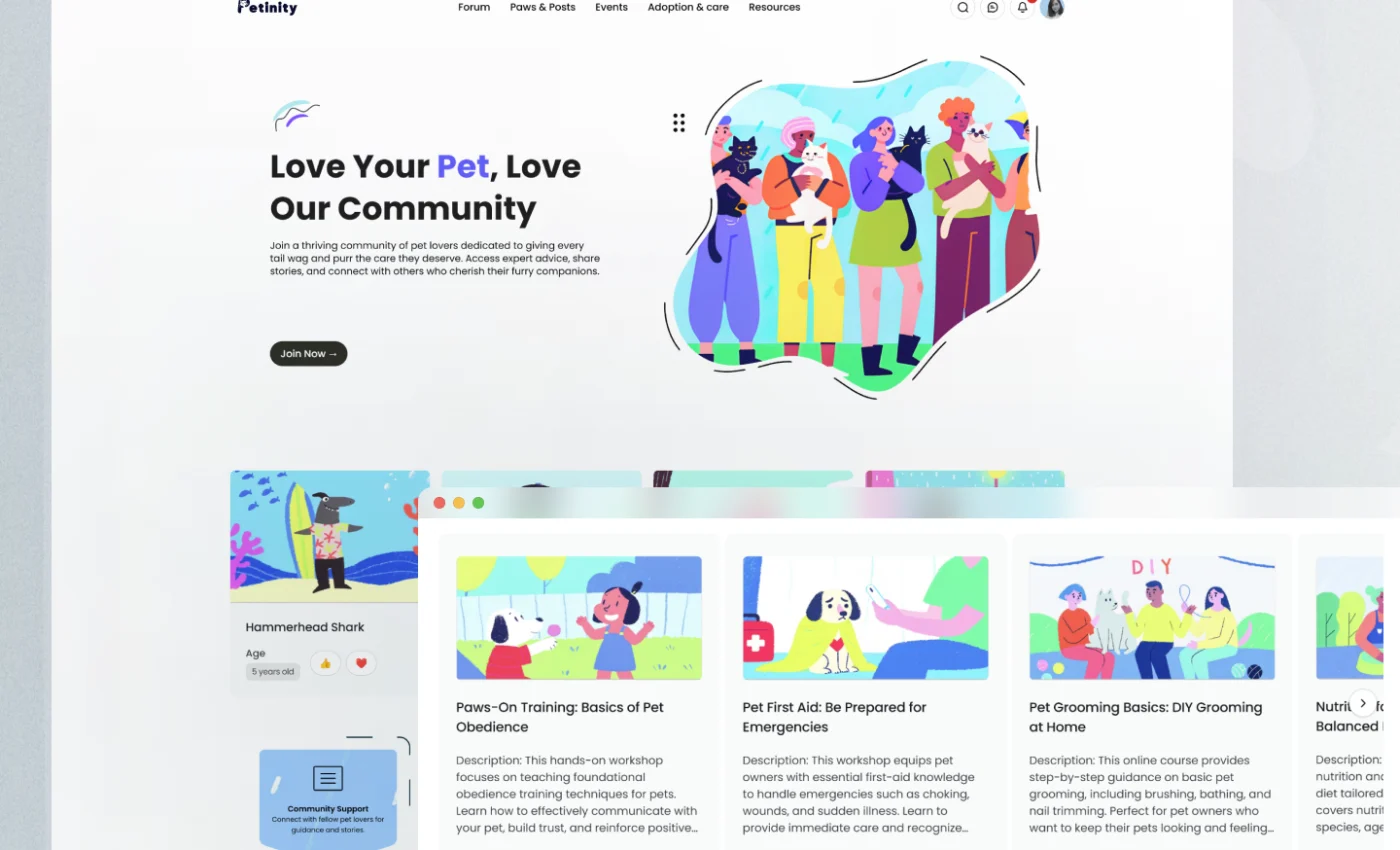
Let’s be real for a second — B2B SaaS growth is getting harder. Paid ads cost more, cold emails get ignored, and your sales team is burning out chasing leads that ghost them. But there’s a quieter, smarter path emerging. It’s not about outspending competitors. It’s about building something they can’t buy: a community. Community-led growth (CLG) isn’t just a buzzword. It’s a strategic shift — one that turns your users into your biggest advocates. And for B2B SaaS startups, it’s a lifeline. I’ve seen it work with tiny teams and zero budget. So, let’s unpack it. Wait — what exactly is community-led growth? Sure, you’ve heard of product-led growth (PLG) — where the product sells itself. But CLG? It’s different. It’s where the community around your product drives acquisition, retentio...
Read MoreWhen you think "subscription," your mind probably jumps to Netflix or that project management software you use. But honestly, the real magic—and the real opportunity—is happening far beyond the digital screen. We're talking about curated spice kits, monthly craft supplies, personalized pet toys, and replenished gardening soil. These niche physical subscription boxes and services face a unique set of challenges. Inventory, shipping, curation fatigue... it's a whole different ballgame. That said, the core desire they tap into is timeless: the joy of anticipation, the delight of discovery, and the comfort of convenience. Let's dive into the marketing strategies that make these tangible models not just survive, but truly thrive. The Foundation: It’s About Identity, Not Just a Product ...
Read More
The Intersection of Neuroaesthetics and Conversion Rate Optimization: The Science of Beautifully Effective Design
Let’s be honest. For years, the conversation around website design and conversion rate optimization (CRO) has felt a bit… mechanical. You know the drill: A/B test the button color, move the form up an inch, tweak the headline. It works, sure. But it often misses the deeper question: Why do certain designs feel so right that they almost compel action, while others, even logically sound ones, just fall flat? That’s where neuroaesthetics comes in. It’s this fascinating field that studies how our brains perceive and process beauty, art, and aesthetic experiences. And when you bring it into the digital realm, something magical happens. You stop just designing for clicks and start designing for the human brain’s innate preferences. You begin to optimize not just for conversion, but for conne...
Read MoreLet's be honest. The digital marketing landscape is noisy. Visually, it's a crowded, blinking, scrolling battlefield for attention. But there's another channel, one that feels more like a conversation than a confrontation: audio. Podcasts and interactive audio aren't just for entertainment anymore. They've matured into powerful, intimate engines for building trust and, yes, generating high-quality leads. Think about it. You're speaking directly into someone's ear during their commute, workout, or chores. That's a level of connection a banner ad could never dream of. Here's the deal: to turn that connection into a lead, you need more than just a monologue. You need a strategy that leverages the entire podcast ecosystem—and the interactive elements that make listeners lean in and part...
Read MoreLet's be honest—the marketing playbook is being rewritten. Right now. The audience? A fascinating duo: Generation Alpha (kids born from 2010 onward) and their parents, who are primarily Millennials (and the youngest Gen X). These parents aren't just gatekeepers; they're digital co-pilots. They grew up with the internet. Their kids are being born into a world of voice-activated AI, tablets, and YouTube. Marketing to this group isn't about picking one target. It's about navigating a complex, two-layered relationship where influence flows both ways. Who Are We Even Talking About? A Quick Snapshot First, a bit of clarity. Generation Alpha is the first generation born entirely in the 21st century. They're true digital natives in a way even Gen Z isn't. Screens aren't "technology" to them...
Read MoreThink about the last time a brand's look and feel just... grabbed you. Maybe it was the serene, minimalist packaging of a skincare product that promised calm. Or the vibrant, chaotic energy of a streetwear logo that felt like pure rebellion. That reaction wasn't accidental. It was neurological. Honestly, for years, design was often a game of intuition and trend-following. But now, a fascinating field called neuroaesthetics is changing the playbook. It's the scientific study of how our brains process and respond to aesthetic experiences—art, music, and crucially, design. When applied to branding, it’s like having a roadmap to the consumer's subconscious. Let's dive into how this brain science is reshaping logos, colors, and entire brand worlds to connect on a deeper, almost primal level...
Read MoreWhen you think of audio marketing, podcasts probably dominate the conversation. And for good reason—they’re fantastic. But honestly, if that’s where your audio strategy begins and ends, you’re missing out on a whole symphony of other channels. The human voice—and sound itself—creates connection in ways text and images simply can’t. It’s intimate. It’s immediate. Let’s dive into the less-charted, but incredibly potent, world of audio marketing beyond the podcast. We’re talking about the spontaneous buzz of social audio and the subtle, subconscious power of sonic branding. Here’s the deal: your audience’s ears are open. Are you speaking to them? The Rise of Social Audio: It’s Like a Live, Global Coffee Chat Social audio is, well, exactly what it sounds like. It’s audio-first platfo...
Read More
Let’s be honest. The traditional lead generation playbook feels a bit… tired. You know the drill: a static ebook, a webinar sign-up, a form that gates yet another whitepaper. It’s a transaction, not an interaction. And in a world where attention is the ultimate currency, asking for it without offering something engaging in return is a tough sell. That’s where interactive content swings in to save the day. Think quizzes, calculators, and configurators. These aren't just fancy website widgets; they're conversation starters. They flip the script from "give us your info" to "here, let us show you something valuable about yourself." And that subtle shift? It’s a game-changer for building your lead list. Why "Interactive" Isn't Just a Buzzword Static content is like a monologue. You’re...
Read More
Let’s be honest. For a niche online platform—think a forum for vintage synthesizer repair or a micro-community around sustainable tiny homes—traditional growth marketing often falls flat. Big-budget ad campaigns feel… off. They’re like using a megaphone in a quiet library. You’ll get attention, sure, but it’s the wrong kind. Here’s the deal. The real magic, the sustainable fuel, comes from within. It’s called community-led growth (CLG). This isn't just having a community; it’s strategically letting that community become your product, your support team, and your most authentic marketing channel. All rolled into one. Why Community-Led Growth is a Perfect Fit for Niche Audiences Niche platforms thrive on depth, not breadth. Your users aren’t just casual browsers; they’re passionate ...
Read More