
Let’s be honest. For a while there, interacting with a voice assistant for customer service felt like talking to a very polite, yet incredibly dense, brick wall. You’d repeat yourself, get funneled into endless menu loops, and eventually just mash ‘0’ hoping for a human.
But that’s changing. Fast. The tech has evolved from a simple FAQ repeater to something that can actually understand nuance, context, and even emotion. The question isn’t whether to use voice AI anymore—it’s how to use it strategically to build better relationships, not just deflect calls.
Shifting the Mindset: From Cost-Center to Experience-Enhancer
Here’s the deal. The first—and biggest—strategy shift is internal. Stop thinking of your voice assistant as just a tool to reduce call volume. Sure, that’s a fantastic benefit. But if that’s your only goal, you’ll design for deflection, and customers will feel it.
Instead, think of it as the first, and sometimes best, point of contact. A well-designed voice experience can resolve issues faster than a human for simple tasks, and it can actually make the subsequent handoff to an agent smoother and more informed. It’s about layering your service, not building a wall.
Where Voice AI Truly Shines: The Strategic Use Cases
Not every customer service task is created equal. Deploying your voice assistant on the right problems is half the battle. Think of it like assigning a superstar employee to their strengths.
- Tier-1 Support & Routine Inquiries: This is the bread and butter. Balance checks, order status updates, store hours, password resets. Handling these frees up your human team for more complex, emotionally sensitive issues.
- Proactive Outreach & Notifications: Imagine a flight delay alert that doesn’t just ping your phone, but lets you verbally rebook right then and there. Or a prescription refill reminder that completes the action via voice. It’s service that feels anticipatory, not reactive.
- Personalized Onboarding & Guidance: For SaaS companies or product-based businesses, a voice assistant can guide a new user through setup, acting as a patient, always-available tutor. “Hey, how do I connect this to my calendar?” becomes a 10-second conversation, not a support ticket.
- Post-Call Wrap-Up: This is an underutilized gem. After an agent solves a complex issue, the AI can handle the tedious part: summarizing the call, emailing a transcript, or scheduling a follow-up check-in. It makes the entire interaction feel seamless.
Crafting the Conversation: Design Principles That Feel Human
Okay, so you know what to use it for. The next strategy is nailing the how. This is where the art meets the code.
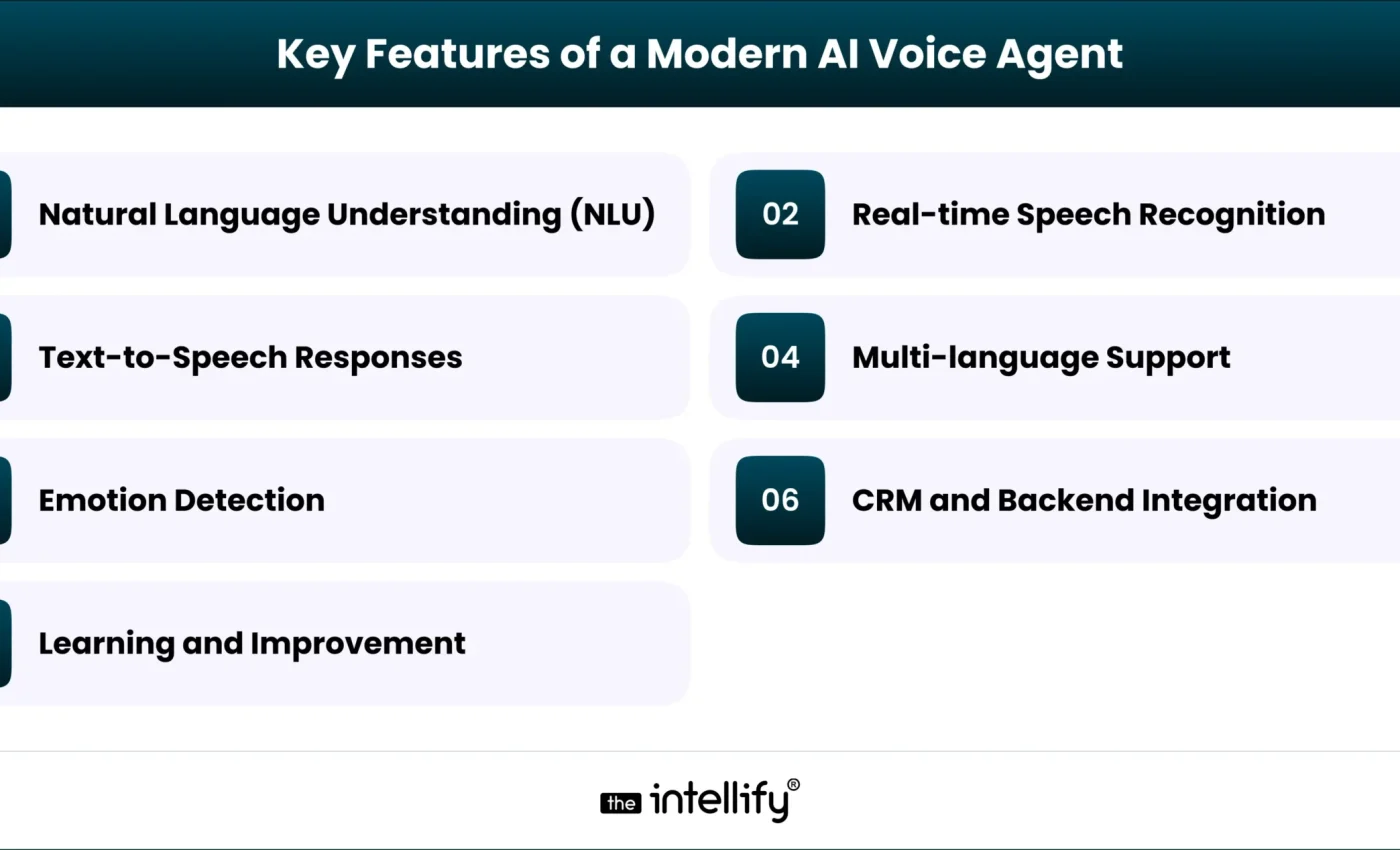
Natural Language Processing (NLP) is Non-Negotiable. Your system must understand “My payment got rejected” and “It says my card’s no good” as the same thing. It needs to handle interruptions (“wait, no—”) and follow-up questions (“and what about the fee?”). Investing in robust NLP is like hiring an agent who’s a great listener.
Personality & Tone are Branding. Is your brand a cheerful helper? A concise expert? A trusted guide? The voice, word choice, and even pacing should reflect that. A bank’s assistant should sound reassuring and precise; a gaming company’s can be energetic and casual. Just keep it consistent.
The Graceful Handoff. This is critical. When the AI gets stuck, it shouldn’t just give up. It should: 1) Acknowledge the limit (“I’m having trouble with that specific detail”), 2) Summarize what it does understand, and 3) Seamlessly connect the caller to an agent with that context already passed along. Nothing kills an experience faster than repeating yourself to the human.
A Quick Note on Data & Privacy
You can’t talk strategy without this. Voice data is sensitive. Be transparent. Start interactions with a brief, clear notice about recording for quality (if you do). Explain how the data is used to improve service. And for heaven’s sake, build in robust security. Trust, once lost here, is nearly impossible to regain.
Measuring Success: Look Beyond Hold Time
If your only KPI is “calls deflected,” you’re missing the story. You need a mix of operational and experience metrics.
| Operational Metric | Experience Metric |
| First-Contact Resolution Rate (for the AI) | Customer Satisfaction (CSAT) post-voice interaction |
| Call Deflection Rate | Sentiment Analysis (from voice tone) |
| Average Handle Time (with AI vs. without) | Escalation Rate (and why it escalated) |
| User Intent Recognition Accuracy | Net Promoter Score (NPS) correlation |
See, the right side of that table tells you if people are happy with the bot. The left side just tells you if it’s working. You need both.
The Future is Integrated (And Already Here)
The most advanced voice assistant strategy for customer service isn’t a standalone voice bot. It’s a fully integrated piece of your tech stack. It talks to your CRM, so it knows a customer’s history. It updates the help desk ticket automatically. It informs marketing about common product confusion.
This creates a single, unified customer view. A caller shouldn’t have to explain their entire saga from scratch. The assistant, and by extension the agent it hands off to, should already be on the same page. That’s when magic happens—when the technology becomes invisible and only the service is felt.
So, where does this leave us? Honestly, at the beginning of a much more natural relationship between people and machines in service. The strategy now is about empathy, integration, and augmentation—not replacement. It’s about using this remarkable tool not to build a cheaper moat around your support team, but to build a wider, smarter bridge to your customers.