
Remember the good old days when “closing the books” meant a frantic, coffee-fueled week at month-end? Spreadsheets flying, emails pinging, and someone inevitably hunting down a missing invoice from March. Well, that ritual is starting to feel… a little dated. Modern finance teams are moving toward something different — real-time accounting and the continuous close. And honestly, it’s about time.
Let’s dive into what this actually means, why it matters, and how teams are pulling it off without losing their minds.
What Exactly Is Real-Time Accounting?
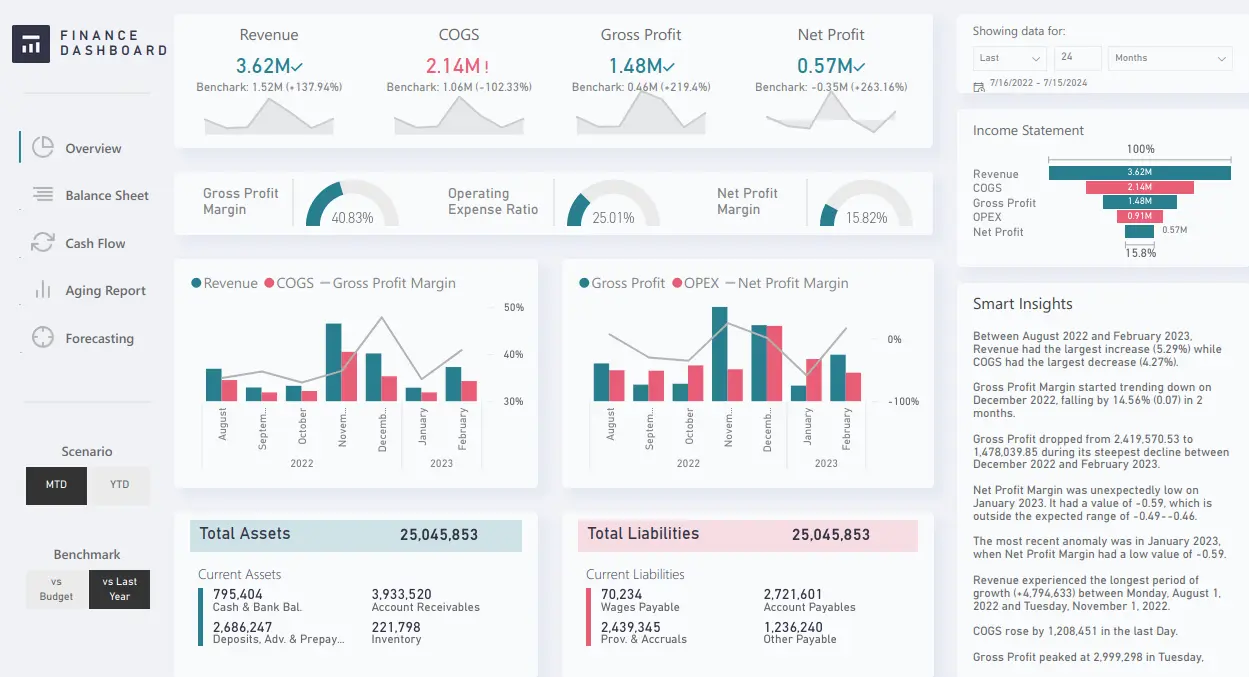
At its core, real-time accounting means your financial data updates the moment a transaction happens. Not tomorrow. Not next week. Right now. Think of it like a live scoreboard at a stadium rather than a newspaper recap the next morning.
When a sale goes through, revenue hits the ledger instantly. When an expense is submitted, it’s recorded immediately. No batching, no waiting for someone to manually enter numbers into a system that’s already three days behind.
This isn’t just a nice-to-have anymore. In fact, a growing number of CFOs say they want financial visibility that’s measured in minutes, not weeks. The pressure comes from everywhere — investors, boards, even operations teams who need to know if they can afford that new hire.
The Continuous Close: Saying Goodbye to Month-End Chaos
Now, here’s where it gets interesting. The continuous close is basically the natural offspring of real-time accounting. Instead of cramming all your reconciliation, reporting, and review work into the last five days of the month, you spread it out. Every day.
Sounds exhausting? Well, actually, it’s the opposite. When you close continuously, you’re never staring down a mountain of backlogged work. The books stay current, and the “close” becomes more of a gentle checkpoint than a Herculean effort.
Imagine a kitchen where the chef cleans as they cook versus one where dishes pile up until the health inspector is at the door. Same idea.
Why Finance Teams Are Making the Switch
Sure, tradition has its comforts. But the old way of closing the books comes with real pain points that modern teams can’t ignore anymore.
- Decision-makers hate waiting. If your CEO asks for cash flow numbers and you say “give me a week,” that’s a problem.
- Errors compound. The longer you wait to reconcile, the messier it gets. It’s like ignoring laundry — suddenly you have no clean socks and no idea why.
- Talent burnout is real. Finance professionals didn’t sign up for endless late nights just to tie out accounts.
- Auditors notice. A clean, continuously updated ledger makes audits smoother. A messy, rushed close? Not so much.
And let’s not forget the competitive angle. Companies that can see their numbers in real time can pivot faster. They spot trends early, catch fraud sooner, and negotiate better terms because they actually know their position.
The Tech Stack That Makes It Possible
You can’t do real-time accounting with a 20-year-old ERP and a prayer. Well, you can try, but you’ll cry. The good news is that the tools have caught up with the ambition.
Cloud-Based Accounting Platforms
Modern cloud ERPs and accounting systems sync data automatically. Transactions flow in from banks, payment processors, and sales platforms without manual intervention. That’s the foundation.
Automation and AI
Rules-based automation handles recurring entries, while AI tools flag anomalies — like that duplicate payment or a vendor invoice that just doesn’t look right. It’s like having a tireless junior accountant who never sleeps.
Integration Layers
APIs connect your payroll, expense, and billing systems so data doesn’t get stuck in silos. Honestly, integration is where most teams stumble. But when it works, it’s magic.
A Quick Comparison: Traditional vs. Continuous Close
| Aspect | Traditional Close | Continuous Close |
|---|---|---|
| Frequency | Monthly or quarterly | Daily or weekly |
| Data latency | Days to weeks | Near real-time |
| Manual effort | High, concentrated | Low, spread out |
| Error risk | Elevated at period-end | Reduced through constant review |
| Team stress | Spiky and intense | Steady and manageable |
See the pattern? It’s less about working harder and more about working smarter — and calmer.
Real Challenges You’ll Face (Let’s Be Honest)
Look, I’m not going to pretend this is a walk in the park. Transitioning to a continuous close takes work. Here are the hurdles teams actually run into:
- Legacy systems that resist change. Some ERPs just weren’t built for this. You may need to layer tools on top or migrate entirely.
- Data quality issues. Real-time data is only useful if it’s accurate. Garbage in, garbage out — faster.
- Cultural resistance. Some team members like the month-end rhythm. Change is uncomfortable, even when it’s better.
- Process redesign. You can’t just automate a bad process. You have to rethink workflows from scratch.
That said, the payoff usually justifies the pain. Teams that stick with it report faster reporting cycles, happier staff, and better strategic conversations with leadership.
How to Start Without Overwhelming Your Team
You don’t have to flip a switch and go fully continuous overnight. In fact, please don’t. Here’s a saner approach:
- Start with one account or process. Maybe bank reconciliations. Get that running daily before expanding.
- Invest in integrations early. The plumbing matters more than the fancy dashboard.
- Set realistic milestones. Weekly closes first, then daily. Celebrate small wins.
- Train your team. Not just on tools, but on the mindset shift. Explain the “why” behind the change.
And hey, if something breaks — and it will — that’s fine. Iterate. Adjust. The goal isn’t perfection; it’s progress.
The Bigger Picture: Finance as a Strategic Partner
Here’s the thing that gets lost in all the technical talk. Real-time accounting and continuous close aren’t just about speed. They’re about repositioning finance as a strategic function rather than a back-office cost center.
When your numbers are always current, you stop being the person who “closes the books” and start being the person who “spots the opportunity.” You become a partner in decision-making, not just a historian of what already happened.
That shift? It’s huge. And it’s happening across industries — from SaaS startups to manufacturing giants. The finance teams that embrace it will be the ones shaping strategy, not just recording it.
So yeah, the continuous close might sound like more work. But in reality, it’s less chaos, fewer surprises, and a whole lot more clarity. And who doesn’t want that?